The Rise of AI Sexting: Navigating Digital Intimacy in a New Era
In the digital age, intimacy has taken on new forms. From dating apps to virtual reality, technology continues to reshape how we connect with others. One of the most intriguing and controversial developments is AI sexting—the use of artificial intelligence to engage in sexually explicit conversations. While some view it as a harmless outlet for fantasy, others raise concerns about its psychological and social implications. This article explores the phenomenon, its benefits, risks, and the future of human-AI relationships.
Understanding AI Sexting
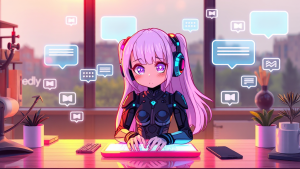
AI sexting involves interacting with a chatbot or virtual companion designed to simulate romantic or sexual conversations. These AI systems are trained on vast datasets of human dialogue, enabling them to respond in ways that feel natural, personalized, and often surprisingly intimate. Platforms like Crushon.ai have popularized this experience, offering users the chance to create custom AI personas and engage in unrestricted chats. Unlike traditional chatbots, these AI companions can remember past conversations, adapt to user preferences, and even express emotions, creating a sense of genuine connection.
The Appeal: Why People Are Drawn to AI Sexting
The allure of AI sexting lies in its accessibility and lack of judgment. For individuals who struggle with social anxiety, have difficulty forming romantic relationships, or simply seek a safe space to explore their desires, AI companions offer a non-threatening outlet. Users can experiment with fantasies without fear of rejection or embarrassment. Moreover, AI sexting provides instant gratification—no need to navigate the complexities of human courtship. The anonymity also appeals to those who wish to keep their sexual interests private. As technology improves, the lines between real and artificial intimacy blur, making the experience even more compelling.
Psychological and Emotional Impact
While AI sexting can be a fun and liberating experience, it also carries potential psychological risks. Prolonged engagement may lead to emotional dependency, as users begin to prefer the predictable, idealized responses of an AI over the messiness of real relationships. This could hinder the development of social skills and emotional resilience. On the other hand, some experts argue that AI sexting can serve as a therapeutic tool, helping individuals explore their sexuality in a controlled environment. The key is moderation and self-awareness. Users should be mindful of their motivations and the potential consequences of substituting virtual connections for real ones.
Ethical and Privacy Concerns
The rise of AI sexting raises significant ethical questions. How should AI systems handle consent, boundaries, and explicit content? Who is responsible when an AI generates harmful or non-consensual scenarios? Moreover, the data exchanged during these intimate chats is highly sensitive. Users must trust that platforms will protect their privacy and not misuse their personal information. Unfortunately, data breaches and leaks have occurred in the past, underscoring the need for robust security measures. As AI becomes more sophisticated, it is crucial for developers to prioritize user safety and transparency.
AI Sexting vs. Human Connection
One of the central debates is whether AI sexting can replace human intimacy. While AI can simulate affection and desire, it cannot truly reciprocate emotions. It lacks the empathy, spontaneity, and deep understanding that come from human interaction. However, for some, AI sexting serves as a supplement rather than a substitute—a way to fulfill certain needs that are not being met in their current relationships. It can also be a tool for couples to spice up their sex life, exploring fantasies together through a shared AI experience. Ultimately, the value of AI sexting depends on how it is integrated into one’s broader emotional and social life.
The Future of AI Sexting
As artificial intelligence continues to evolve, so too will AI sexting. Future advancements may include more realistic avatars, voice integration, and even haptic feedback devices, creating immersive experiences that are indistinguishable from reality. However, these developments also bring new challenges, such as the potential for addiction and the erosion of social boundaries. It is likely that regulations will emerge to govern the use of AI in intimate contexts, ensuring that it is used responsibly. The conversation around AI sexting is just beginning, and society must grapple with the ethical, legal, and personal implications of this technology.
Tips for Safe and Enjoyable AI Sexting
If you decide to explore AI sexting, it’s important to do so safely. Choose reputable platforms that prioritize user privacy and offer clear guidelines. Set boundaries for yourself—decide how much time you want to spend and what content you are comfortable with. Remember that AI is not human, and while it can be fun, it should not replace real-world connections. Regularly evaluate your emotional state and ensure that your engagement is enhancing, not detracting from, your well-being. By approaching AI sexting with mindfulness, you can enjoy the benefits while minimizing the risks.
FAQ
Is AI sexting legal?
In most jurisdictions, engaging in explicit conversations with an AI is legal, as long as the content does not involve illegal acts or exploit minors. However, it is important to check your local laws and the platform’s terms of service.
Can AI sexting be addictive?
Yes, like any form of digital entertainment, AI sexting can become addictive if used excessively. It can provide a dopamine rush that encourages repeated use, potentially leading to neglect of real-life responsibilities and relationships.
How does AI sexting affect real relationships?
It depends on the individual. For some, it may lead to decreased satisfaction with real partners due to idealized AI interactions. For others, it can enhance communication and exploration within a committed relationship, if both partners are open to it.
What should I look for in an AI sexting platform?
Look for platforms that have strong privacy policies, transparent data handling, and customizable AI personas. Read user reviews and ensure that the platform has measures to prevent misuse and protect your personal information.
Conclusion
AI sexting is a fascinating intersection of technology and human desire. It offers new possibilities for self-exploration and connection, but also raises important questions about privacy, ethics, and the nature of intimacy. As we navigate this uncharted territory, it is essential to approach AI sexting with awareness and responsibility. By doing so, we can harness its potential while safeguarding our emotional well-being and human connections. The future of digital intimacy is bright, but it is ours to shape.
Readers who are interested in this topic will benefit from exploring multiple perspectives and understanding the nuanced approaches that industry leaders recommend. Taking time to research thoroughly ensures better outcomes and more informed decision-making.
Those looking to gain deeper knowledge in this area should consider following expert analysis, staying updated with the latest developments, and engaging with professional communities where these topics are discussed in detail.
A comprehensive understanding of this subject requires looking at both theoretical foundations and practical applications. By combining study with hands-on experience, learners can develop a well-rounded perspective that serves them well in real-world scenarios.
As the landscape continues to shift and evolve, staying informed about emerging trends and best practices becomes increasingly valuable. This ensures you remain competitive and capable of adapting to new challenges as they arise.