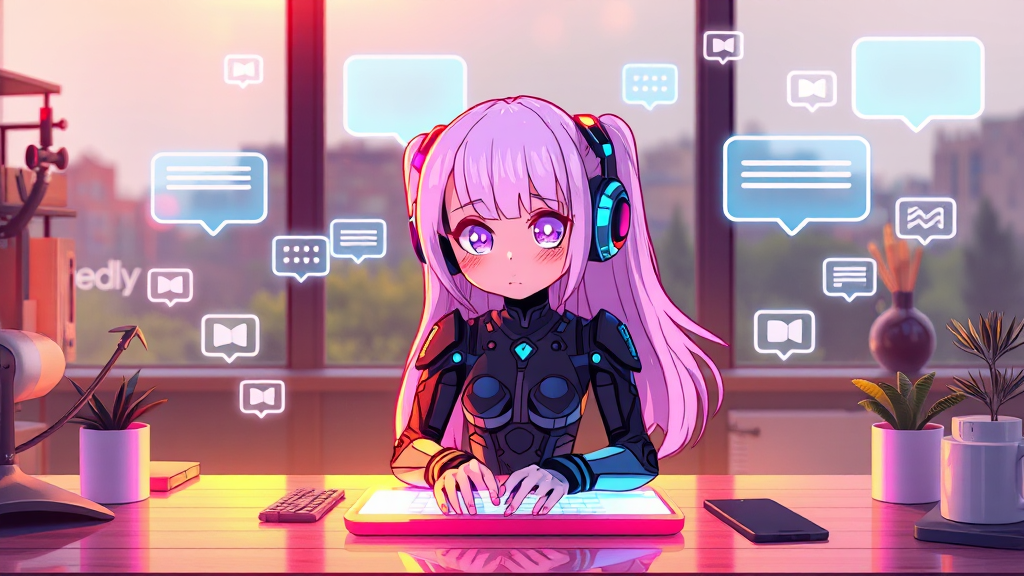
Femboy AI Chat: Why This Niche Is Reshaping Creative Character Play
Conversational AI has moved far beyond generic question-and-answer tools. Today, people use language models to explore stories, build fictional relationships, and interact with personas that feel genuinely distinct. Within that fast-growing space, femboy ai chat has quietly become one of the most searched and most discussed categories. It sits at the intersection of character design, identity exploration, and the simple human desire for engaging conversation that does not feel scripted.
This article looks at what makes this niche tick, why it resonates with such a broad audience, and how platforms like Crushon are shaping the experience. Whether you are curious about the technology, the culture, or the creative possibilities, there is more depth here than the surface-level novelty suggests.
What Exactly Is Femboy AI Chat?
At its core, femboy AI chat refers to conversational experiences built around AI personas that blend traditionally feminine aesthetics with a masculine identity. These characters are typically designed with a specific look, voice, and personality, then paired with a large language model that can hold multi-turn conversations, remember context, and respond in ways that feel consistent with the character.
Unlike a simple chatbot that answers factual questions, these personas are built for interaction. They can flirt, joke, comfort, argue, and roleplay. The appeal is not just visual. It is the combination of a distinct identity and the ability to sustain an ongoing, adaptive conversation. That is why the category has grown from a niche curiosity into a recognizable trend across AI companion platforms.
The term itself is a shorthand. It describes both the type of character and the style of interaction. Some users come for lighthearted fun, others for creative writing, and still others for a sense of companionship. The technology is the same, but the motivation varies widely.
Why This Niche Grew So Quickly
Several forces converged to push femboy AI characters into the mainstream of AI entertainment.
First, character-based AI became far more capable. Earlier chatbots struggled to stay in character for more than a few messages. Modern models maintain tone, recall earlier details, and adapt to the user’s style. That consistency is what makes a persona feel real enough to invest time in.
Second, online culture has become more comfortable with fluid and expressive identities. Femboy aesthetics, which draw from anime, cosplay, and internet subcultures, already had a large and engaged audience. AI simply gave that audience a new way to interact with the archetype, moving from passive consumption of art and memes to active, personalized conversation.
Third, the barrier to entry dropped dramatically. You no longer need coding skills or a custom server. Platforms like crushon let users browse characters, start a chat, and explore different personalities within seconds. That frictionless experience is a major reason the trend spread so fast.
How Character Design Shapes the Conversation
A good AI persona is more than a name and a profile picture. The best femboy AI characters are built with layered traits: a backstory, speech patterns, emotional tendencies, and boundaries. These details matter because they determine how the conversation unfolds over time.
For example, a shy, soft-spoken character will respond very differently to a bold question than a confident, teasing one. A character designed for emotional support will lean into empathy, while one built for adventure will push the story forward. The design choices are not cosmetic. They are the engine of the experience.
Users often notice this quickly. A well-crafted persona feels like it has a point of view. A poorly designed one feels like a generic assistant wearing a costume. That distinction is why creators spend time refining dialogue samples, personality prompts, and visual consistency.
The Role of Memory and Personalization
One of the most important technical features in any AI chat platform is memory. When a character remembers your name, your preferences, or a detail from a previous session, the interaction becomes far more immersive. It creates a sense of continuity that simple chatbots cannot match.
Personalization goes hand in hand with memory. Some platforms let users adjust a character’s tone, interests, or relationship dynamic. Others allow custom character creation, where the user defines the personality from scratch. This flexibility is a big part of why the femboy AI chat category feels so varied. Two users can interact with the same base character and have completely different experiences.
There is also a practical benefit. Memory reduces repetition. Instead of re-explaining context every time, the user can pick up where they left off. That makes longer, more meaningful conversations possible.
Creative Writing and Roleplay Use Cases
Not everyone approaches these chats as a social experience. A significant portion of users treat them as a creative tool.
Writers use AI personas to brainstorm dialogue, test character voices, and explore scenes that would be difficult to improvise alone. The interactive format is especially useful for romance, drama, and slice-of-life storytelling, where emotional nuance matters more than plot mechanics. femboy AI characters
Roleplay is another major use case. Users can set a scenario, choose a character, and let the story evolve. The AI responds in real time, which makes the process feel collaborative rather than one-sided. For people who enjoy tabletop games, fan fiction, or interactive fiction, this is a natural extension of their hobbies.
In this context, the femboy archetype functions as a character type, much like a detective, a knight, or a space explorer. It offers a specific aesthetic and emotional register that some stories call for.
Community, Discovery, and Trend Curation
AI character platforms are not just tools. They are ecosystems. Users create, share, rate, and remix characters. Popular personas rise to the top, and trends emerge organically.
Discovery features play a big role here. A trends page or category browser helps new users find characters that match their interests without endless scrolling. It also gives creators visibility, which encourages more experimentation and higher-quality design.
The community aspect matters because it turns a solo activity into something shared. People discuss their favorite characters, compare experiences, and request new features. That feedback loop drives improvement on both the creative and technical sides.
Safety, Boundaries, and Responsible Use
Any conversation about AI companionship should address safety. Responsible platforms set clear guidelines, age restrictions, and content policies. They also give users tools to report problems, block unwanted behavior, and control their own experience.
It is equally important for users to approach these chats with realistic expectations. An AI persona can be engaging, but it is not a substitute for human relationships. Treating it as entertainment, a creative outlet, or a low-pressure way to explore conversation is healthier than expecting it to replace real-world connection.
Privacy is another consideration. Users should understand what data is stored, how it is used, and whether conversations are private. Transparent policies build trust, and trust is essential for a category that depends on personal interaction.
The Technology Behind the Experience
Under the hood, these platforms rely on large language models fine-tuned or prompted for character consistency. Retrieval systems help the model recall past conversations. Moderation layers filter content. Interface design determines how easy it is to start, continue, and customize a chat.
The quality gap between platforms often comes down to these details. A powerful model with poor memory feels shallow. A simple model with excellent character design can feel surprisingly alive. The best experiences combine both.
As models improve, we can expect more natural pacing, better emotional intelligence, and richer multimodal features such as voice and visuals. The femboy AI chat niche will likely benefit from these advances early, because its audience already expects a high level of polish.
What the Future Holds
The trajectory is clear. AI chat is becoming more personalized, more expressive, and more integrated into entertainment and creativity. Niche categories like this one are not side shows. They are testing grounds for features that will eventually reach broader audiences.
We may see deeper customization, where users design every aspect of a persona. We may see cross-platform continuity, where a character remembers you across devices. We may see collaborative storytelling, where multiple users interact with the same AI character in a shared narrative.
What will not change is the core appeal: a character that responds, adapts, and feels present. That is what draws people to femboy AI chat in the first place, and it is what will keep the category evolving.
FAQ
What is femboy AI chat?
It is a type of conversational AI experience built around characters that blend feminine aesthetics with a masculine identity. Users chat with these personas for entertainment, creative writing, roleplay, or companionship.
Are these characters pre-made or can I create my own?
Both options usually exist. Many platforms offer a library of ready-to-chat characters, while also providing tools for users to design custom personas with their own personality, backstory, and visual style.
Do AI characters remember previous conversations?
Many modern platforms include memory features that let a character recall details from earlier chats. The quality and scope of memory vary by platform, but it is one of the key factors in how immersive the experience feels.
Is this suitable for creative writing?
Yes. Writers often use AI personas to test dialogue, explore character voices, and improvise scenes. The interactive format makes it a useful tool for brainstorming and drafting.
What should I keep in mind when using these platforms?
Approach them as entertainment or a creative aid rather than a replacement for human relationships. Check the platform’s safety policies, understand how your data is handled, and use reporting tools if you encounter problems.