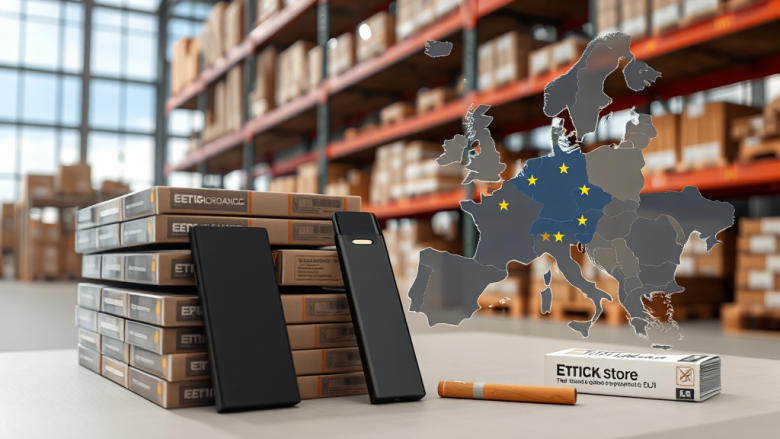
Heated Tobacco Shop Shipping Across the EU: What Buyers Should Expect
Ordering heated tobacco products online has become routine for many adult users across Europe, but the delivery experience can vary enormously from one retailer to the next. A dedicated heated tobacco shop shipping across the EU operates in a very specific space: it must combine the convenience of e-commerce with the practical realities of cross-border parcel logistics, sealed original packaging, and country-by-country rules. Understanding how that shipping process works helps buyers choose a supplier that fits their habits, their budget, and their expectations for freshness and discretion.
This guide looks at the logistics side of buying heated tobacco sticks and devices online. It covers how cartons travel between member states, what affects delivery times, how packaging protects product quality, and what to check before placing a first order.
Why EU-Wide Delivery Matters for Heated Tobacco Users
Heated tobacco is a category where brand loyalty runs deep. A user who has settled on a particular stick variant for their IQOS, glo, or Ploom device does not want to switch every time local stock runs dry. Yet physical availability is uneven across Europe. Some markets carry a broad selection of TEREA, LEVIA, DELIA, NEO, VEO, RIVO, and VIRTO lines, while others stock only a handful of options. Cross-border online shopping solves that mismatch.
EU-wide delivery also matters because heated tobacco users tend to buy in larger quantities than casual shoppers. Sticks are consumable, used daily, and sold in packs that disappear quickly. Buying by the carton is both more economical and more practical than repeated small purchases. A shop that can ship full cartons across borders gives users a stable supply regardless of what their neighbourhood kiosk happens to hold.
There is also a legal dimension. Within the European Union, goods generally move freely between member states, but tobacco and nicotine products are subject to national rules on taxation, age verification, and permitted sales channels. A reputable online retailer builds its shipping model around those realities rather than ignoring them. That is why the better shops are explicit about which countries they serve and how orders are handled at the border.
How Cross-Border Parcel Logistics Actually Work
When you place an order with an online heated tobacco shop, several steps happen behind the scenes before a parcel reaches your door.
Order processing and picking. The retailer confirms stock, verifies the buyer’s age where required, and picks the items from warehouse shelving. Sealed original packs are gathered and matched against the order, often by carton rather than by single pack.
Packing for transit. Heated tobacco sticks are relatively robust, but they are still consumer goods that should arrive undamaged. Good packing means rigid outer boxes, adequate void fill, and protection against crushing. Devices such as IQOS, glo, and Ploom units need even more care because they contain electronics and charging components.
Handover to a carrier. Most EU-focused shops work with established parcel networks that provide tracking from dispatch to delivery. The choice of carrier affects transit time, the quality of tracking updates, and how easily a delivery can be redirected or collected.
Customs and border handling. Because most EU member states are part of the single market, intra-EU shipments usually avoid full customs clearance. However, tobacco and nicotine products can still attract excise attention, and some countries apply stricter controls than others. A shop that ships regularly across the EU understands these nuances and structures its paperwork accordingly.
Last-mile delivery. The final leg is where most delays occur. Local courier performance, address accuracy, and the buyer’s availability all influence whether a parcel arrives on the first attempt.
What Affects Delivery Times Across the EU
Delivery estimates are rarely identical for every destination, and buyers should treat any single number with caution. Several factors shape how long a heated tobacco order takes to arrive.
Distance and route. A parcel travelling between neighbouring countries will usually arrive faster than one crossing the continent. Routes with fewer sorting hubs tend to be quicker.
Carrier network. Some couriers specialise in fast express delivery, while others prioritise cost efficiency. The trade-off is visible in both price and speed.
Day of order. Orders placed late in the week or just before a public holiday often sit in the warehouse until the next working day. Planning around weekends and national holidays can meaningfully shorten the wait.
Destination country rules. A few member states apply additional checks on tobacco-related shipments. When that happens, parcels may be held briefly even though they are travelling within the EU.
Seasonal pressure. Peak shopping periods, holiday seasons, and major sales events can slow every carrier network. Ordering a little earlier during those windows is a simple way to avoid disappointment.
In practice, buyers who order cartons regularly tend to build a personal sense of how long their route takes. Keeping a small buffer of stock at home removes the stress of waiting on a delivery.
Packaging, Freshness, and Product Integrity
Heated tobacco sticks are sensitive to their environment. Excessive heat, humidity, and physical pressure can affect how a stick performs in a device. That is why packaging quality is not a minor detail — it is central to whether the product arrives in the condition the manufacturer intended.
Sealed original packs matter here. When sticks are sold in their factory cartons rather than repackaged loose, the buyer has a clearer guarantee that the product has not been exposed to handling, moisture, or contamination. Carton-level shipping also reduces the number of times individual packs are touched, which lowers the risk of damage.
Devices add another layer. A heated tobacco device includes a battery, a heating element, and precision components. Shipping these items safely means protecting them from impact and, in some cases, following carrier rules for lithium batteries. A shop that routinely sends IQOS, glo, and Ploom devices across the EU will have packaging and labelling procedures designed for exactly that.
For the buyer, the practical takeaway is simple: look for a retailer that ships sealed cartons, uses rigid packaging, and treats devices as fragile electronics rather than ordinary parcels.
Choosing a Reliable Heated Tobacco Shop for EU Delivery
Not every online store that sells heated tobacco is built for cross-border logistics. Some focus on a single country, some drop-ship from unclear sources, and some offer little transparency about how orders travel. A few practical checks separate the reliable options from the rest.
Clear country coverage. The shop should state which EU countries it delivers to and whether any destinations are excluded. Vague promises of “worldwide shipping” are less useful than a specific list.
Transparent shipping information. Look for details on carriers, estimated transit times, tracking availability, and how delivery issues are handled.
Product authenticity. Sealed original packs, recognisable brand lines such as TEREA, LEVIA, DELIA, NEO, VEO, RIVO, and VIRTO, and consistent stock are good signs. Unusually cheap prices on branded cartons deserve scrutiny.
Age verification. Responsible retailers confirm that buyers are adults. This is not just a legal formality — it reflects how seriously the shop takes its obligations.
Customer support. A responsive support channel matters when a parcel is delayed or an address needs correcting. Shops that answer questions before a purchase are usually easier to deal with afterwards.
Buyers who weigh these factors tend to have fewer surprises. The cheapest option is not always the smoothest, especially when shipping across multiple borders.
Practical Tips for Smoother Deliveries
Even with a dependable retailer, a few habits make cross-border ordering easier.
Order before your current supply runs low. A buffer of one or two weeks gives you room to absorb any delay without changing your routine.
Double-check your address, including apartment numbers and postal codes. Most delivery failures come down to small address errors rather than carrier problems.
Choose a delivery option that suits your schedule. If you are rarely home during the day, a pickup point or locker may be more reliable than a doorstep delivery.
Keep tracking details handy. If a parcel stalls, having the tracking number ready makes it much faster to get a useful answer from support.
Buy cartons rather than single packs when you know your consumption pattern. It reduces the number of shipments, lowers per-unit shipping cost, and keeps your preferred variant in stock at home.
Finally, stay informed about your own country’s rules. Even within the EU, national regulations on tobacco and nicotine products differ, and it is the buyer’s responsibility to comply with local requirements.
FAQ: Heated Tobacco Shipping Across the EU
How long does delivery usually take within the EU?
Most intra-EU parcels arrive within a few working days, but the exact time depends on the route, the carrier, and the destination country. Orders placed before a weekend or public holiday may take longer to leave the warehouse.
Do I need to pay customs duties when ordering from another EU country?
In general, shipments between EU member states move within the single market and do not go through full customs clearance. However, tobacco and nicotine products can still be subject to national excise rules, so it is worth checking your country’s requirements before ordering.
Are the products shipped in original sealed packaging?
Reputable heated tobacco shops ship sealed original packs, often by the full carton. This helps preserve freshness and reduces the risk of damage or contamination during transit.
Can I track my order after it is dispatched?
Most established EU-focused retailers provide tracking information once the parcel leaves the warehouse. Tracking lets you follow the shipment, anticipate the delivery day, and raise issues quickly if something goes wrong.
What should I do if my parcel arrives damaged?
Document the damage with photos and contact the shop’s customer support as soon as possible. A good retailer will have a clear process for investigating transit damage and arranging a resolution.
Is it better to order single packs or full cartons?
For regular users, cartons are usually the better choice. They reduce shipping frequency, lower the cost per pack, and help ensure you always have your preferred variant on hand.
Final Thoughts
Shipping heated tobacco across the EU is a logistics challenge wrapped in a consumer convenience. The best online shops handle it by combining clear country coverage, careful packaging, reliable carriers, and honest communication about timelines. For buyers, the payoff is a steady supply of sealed original cartons and devices without depending on local stock.
Whether you use IQOS, glo, or Ploom, and whether you prefer TEREA, LEVIA, DELIA, NEO, VEO, RIVO, or VIRTO, the shipping experience is worth as much attention as the product itself. Choose a retailer that treats cross-border delivery as a core part of its service, and the whole process becomes far more predictable.